Alim backdrop
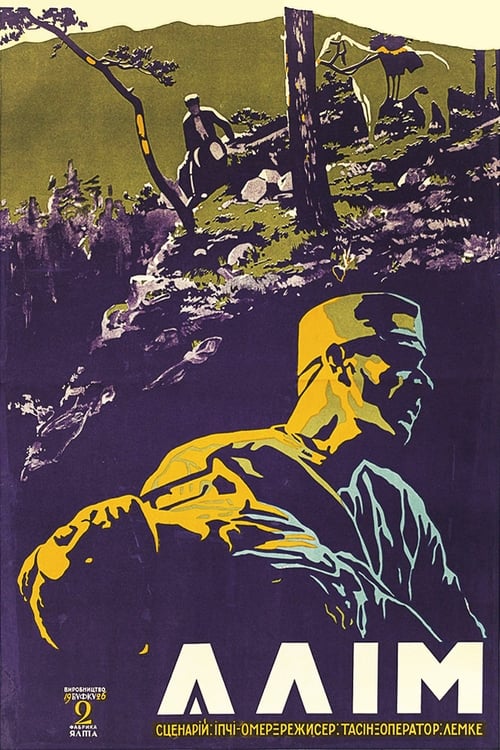
Alim poster

Alim

☆☆☆☆☆ N/A
1926 1h 1min NR

Crimea. The middle of the 19th century. A proud and brave jigit Alim Aidamak who cannot put up with the workers’ abuse, works at the leather factory of the greedy Ali-bay. One day he responds in kind. He is fired, but he takes the memories of the beautiful daughter of his ex-master, Sara, with him. Young people went their separate ways. Alim takes the revolutionary path; he and his friends go to the mountains and start an underground struggle. Only his name is enough to terrify landlords, Mirzas and civil servants. Authorities send a Cossack detachment to catch the Crimean Tatar Robin Hood.
The adventure film, which reminds an American western, was filmed based on a Crimean Tatar legend, which in 1925 was turned into a play by the repressed Crimean Tatar writer Ipchi Ümer. The shooting of the film under the script of the Ukrainian avant-garde poet Mykola Bazhan began in the autumn of 1925, when the indigenisation policy in the national republics caused demand on the national plots.

Production Details

📅
Release Date
November 30, 1926
⏱️
Runtime
1h 1min
🌍
Language
UK

Synopsis

Crimea. The middle of the 19th century. A proud and brave jigit Alim Aidamak who cannot put up with the workers’ abuse, works at the leather factory of the greedy Ali-bay. One day he responds in kind. He is fired, but he takes the memories of the beautiful daughter of his ex-master, Sara, with him. Young people went their separate ways. Alim takes the revolutionary path; he and his friends go to the mountains and start an underground struggle. Only his name is enough to terrify landlords, Mirzas and civil servants. Authorities send a Cossack detachment to catch the Crimean Tatar Robin Hood. The adventure film, which reminds an American western, was filmed based on a Crimean Tatar legend, which in 1925 was turned into a play by the repressed Crimean Tatar writer Ipchi Ümer. The shooting of the film under the script of the Ukrainian avant-garde poet Mykola Bazhan began in the autumn of 1925, when the indigenisation policy in the national republics caused demand on the national plots.

Cast & Crew

More Like This